Trincomalee

Trincomalee

Discover the landscapes, culture and experiences that make Trincomalee a place to remember.
2 Activities
6 Highlights

Explore Trincomalee

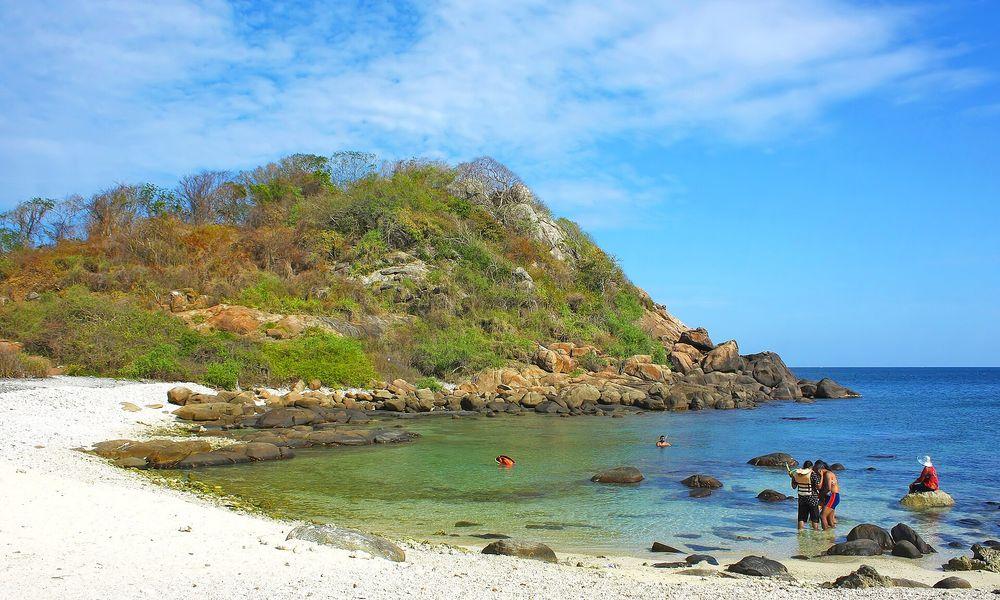
White sand and clear water on Pigeon Island, off Nilaveli near Trincomalee
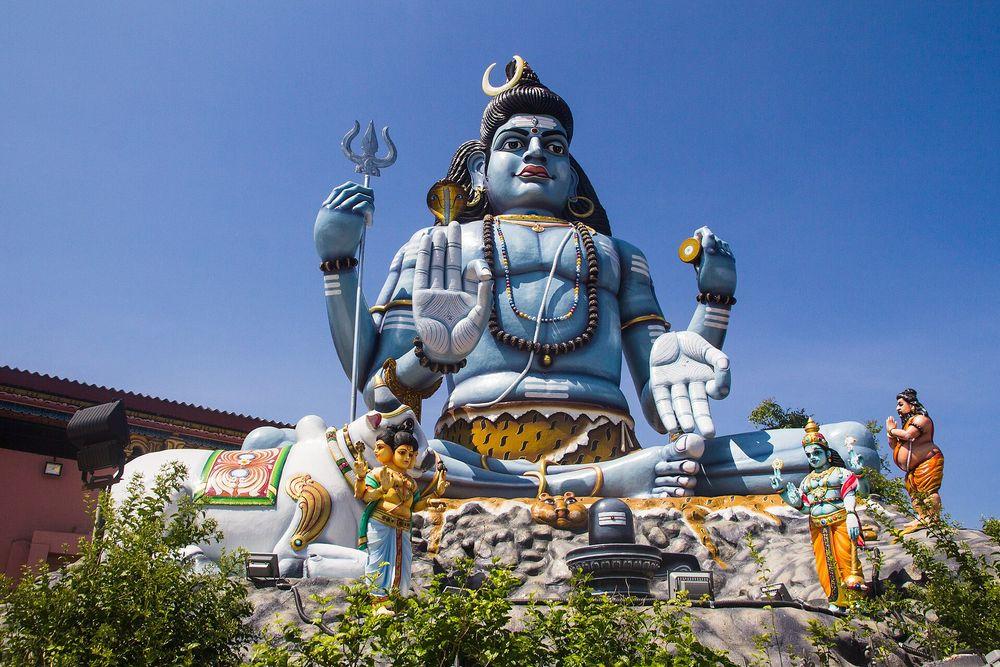
The giant blue statue of Lord Shiva at Koneswaram Temple on Swami Rock, Trincomalee
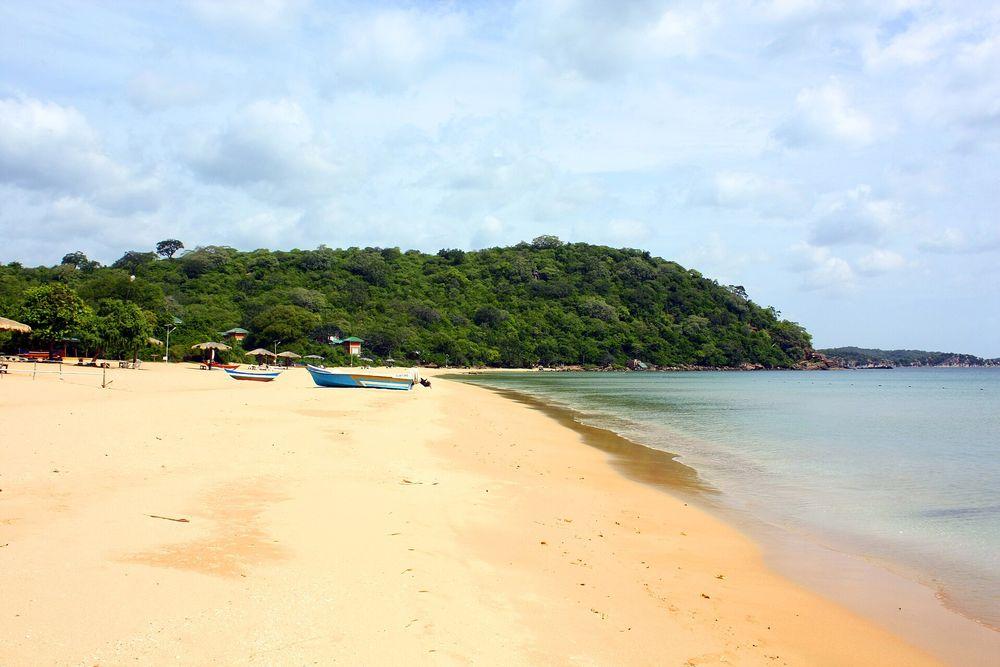
Turquoise water and a wooded headland at Marble Beach near Trincomalee
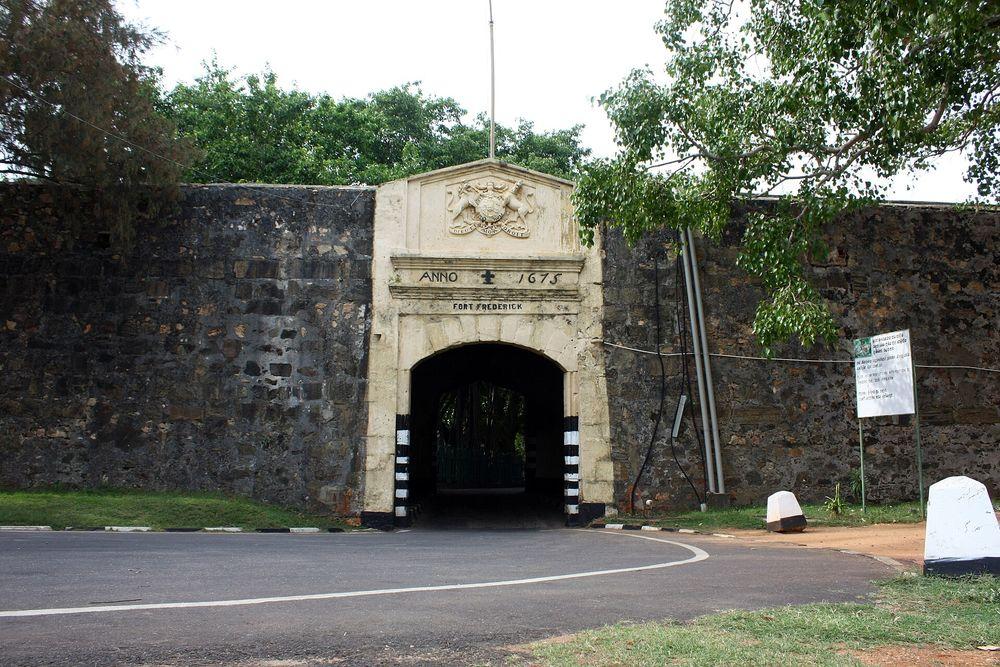
The stone entrance gate of Fort Frederick in Trincomalee
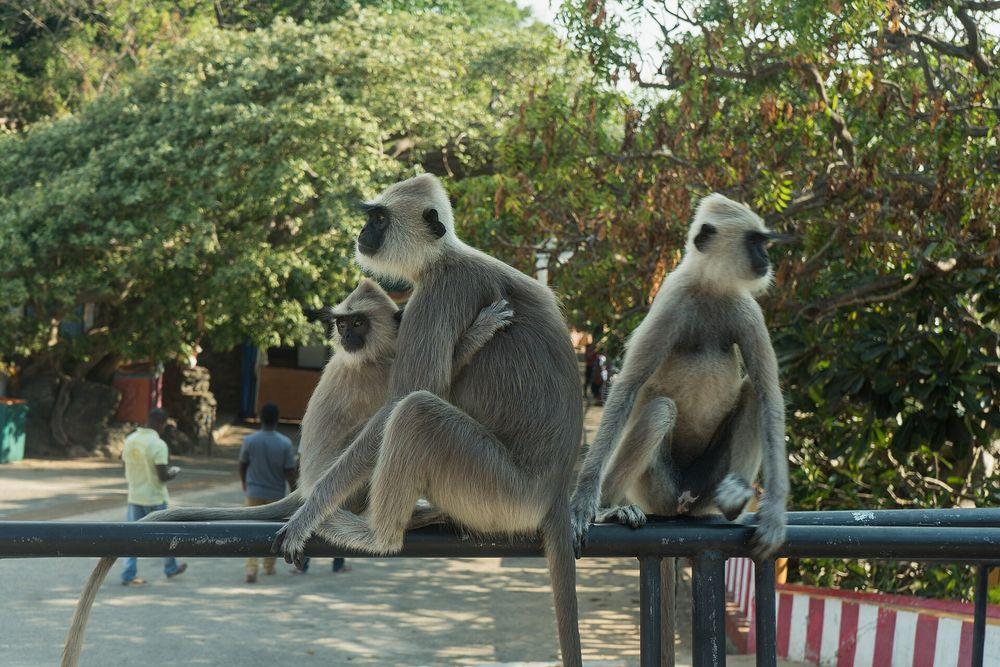
Tufted grey langurs sitting on a railing inside Fort Frederick

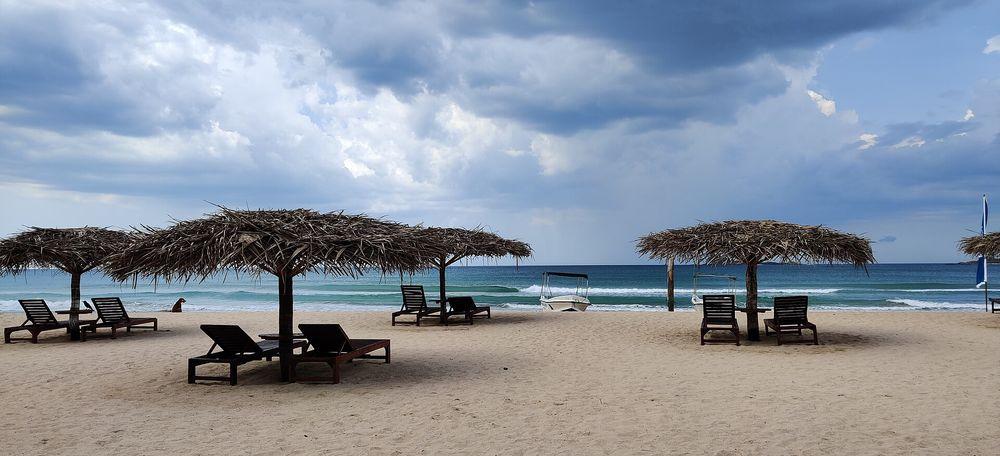
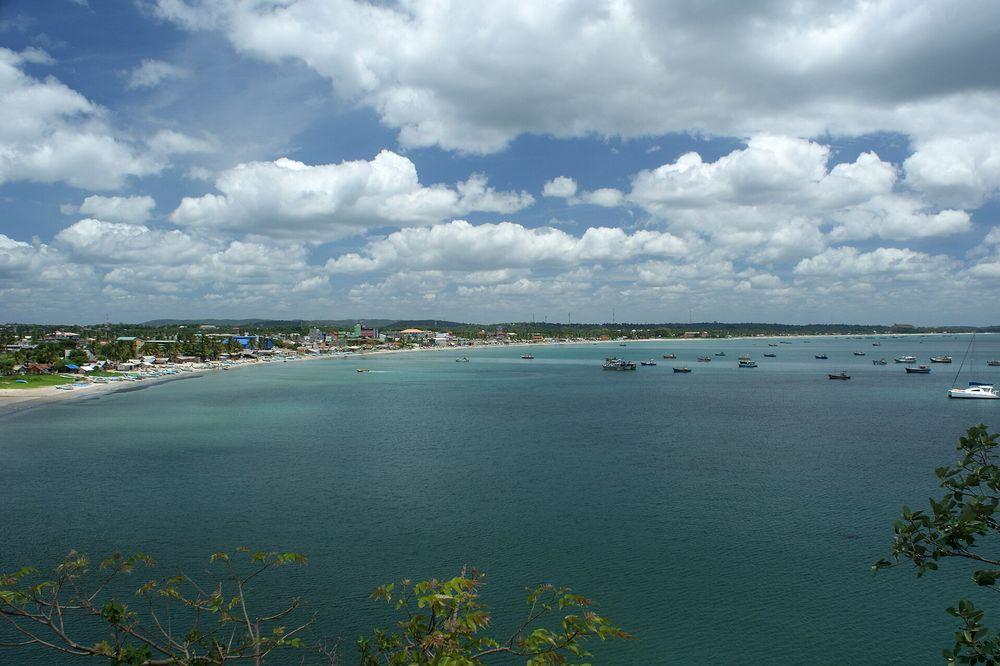
Trincomalee, or "Trinco", sits on one of the largest and deepest natural harbours in the world on Sri Lanka's northeast coast. It combines long, empty white-sand beaches with coral reefs, a clifftop Hindu temple, a colonial fort and a relaxed, multicultural town. Because the east coast has its dry season from around April to October, Trincomalee is the perfect beach escape when the south and west coasts are in monsoon.

Things to Do in Trincomalee

  • Pigeon Island National Park: a small island off Nilaveli with a coral reef, one of only two marine national parks in Sri Lanka. Snorkellers regularly see reef fish, turtles and small blacktip reef sharks.
  • Koneswaram Temple: an ancient Hindu temple dedicated to Shiva, perched on Swami Rock high above the sea. The original was destroyed by the Portuguese in the 17th century and the temple was rebuilt in the 20th century.
  • Fort Frederick: a fort built by the Portuguese and rebuilt by the Dutch, still in military use. The road through it leads up to Koneswaram, and spotted deer and langur monkeys wander the grounds.
  • Nilaveli and Uppuveli: two long, quiet beaches north of town with calm, clear water in season.
  • Marble Beach: a sheltered bay with turquoise water south of the city.
  • Kanniya Hot Springs: seven wells of naturally warm water, each said to be a slightly different temperature.

Whale and Dolphin Watching

The deep water of the Trincomalee canyon brings blue whales and sperm whales close to the coast. The season roughly runs from March to August, and large pods of spinner dolphins are also common. As with all wildlife trips, sightings are never guaranteed, and conditions vary from year to year. From November to April, Mirissa on the south coast is the better place to see whales.

When to Visit Trincomalee

The best weather is from around April to September, when the sea is calm and clear for swimming, snorkelling and diving. From November to January the northeast monsoon brings heavy rain and rough seas, and some beach hotels close.

Getting There

Trincomalee is around six to seven hours from Colombo by road. It is about three hours from Sigiriya and around three hours from Anuradhapura, so it makes a natural beach finale after the Cultural Triangle in the summer months.

Why Visit Trincomalee?

Discover what makes this destination truly special

1

Pigeon Island

A marine national park with coral, reef fish, turtles and blacktip reef sharks in clear shallow water.

2

Nilaveli and Uppuveli Beaches

Long, quiet stretches of white sand with calm seas through the east coast summer.

3

Koneswaram Temple

A Hindu temple dedicated to Shiva on a dramatic clifftop above the Indian Ocean.

4

Fort Frederick

A historic fort with spotted deer and monkeys roaming its grounds below Swami Rock.

5

Whale Watching

A chance to see blue whales and sperm whales from around March to August.

6

East Coast Season

Dry and sunny from around April to September, when the south coast is in monsoon.

Unforgettable Adventures

Discover curated experiences and thrilling activities that will make your visit to Trincomalee truly extraordinary.
Trincomalee Whale Watching
Trincomalee

Trincomalee Whale Watching

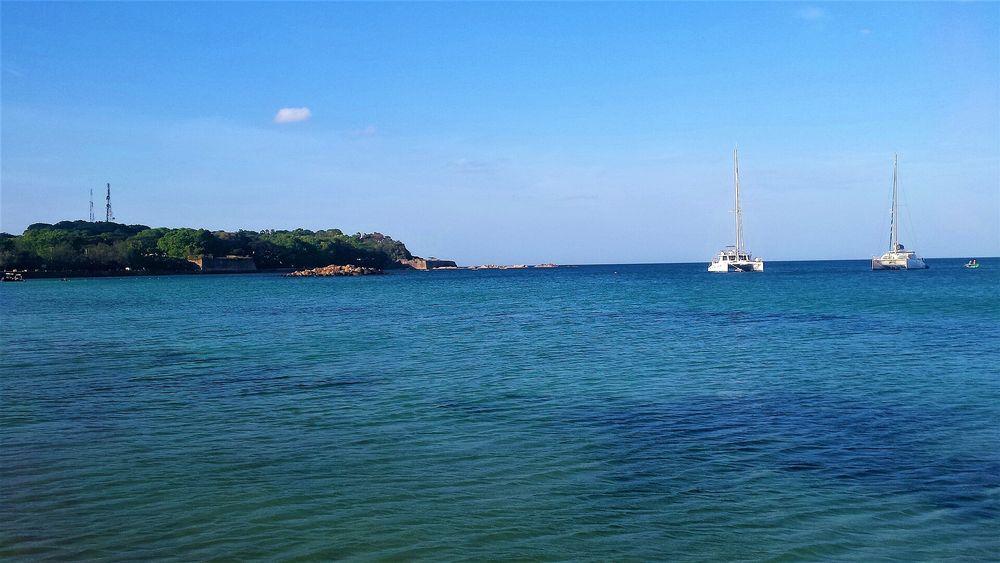
A morning boat trip into the deep waters off Trincomalee in search of blue whales, sperm whales and spinner dolphins.
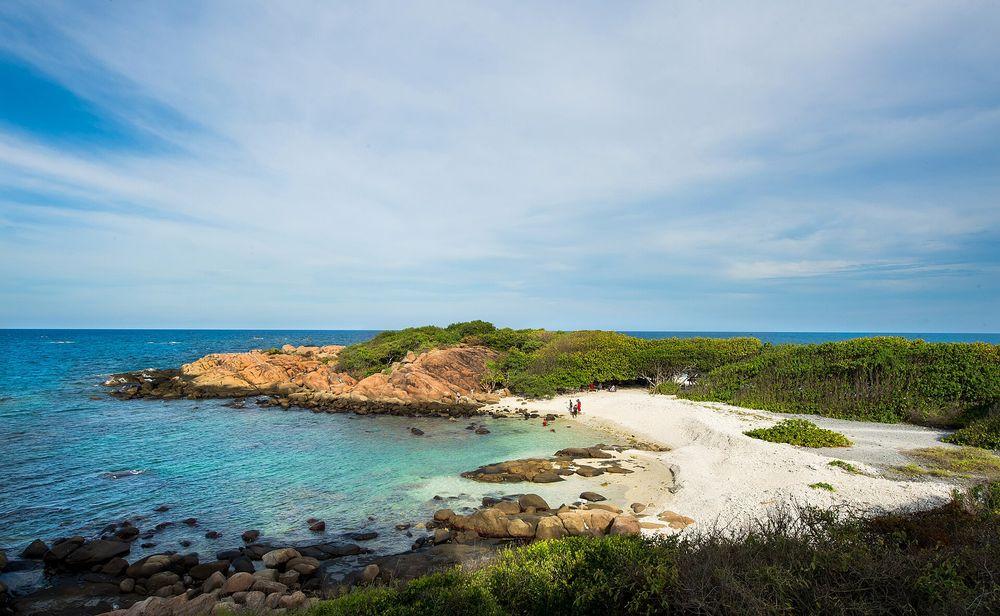
Pigeon Island Snorkelling Trip
Trincomalee

Pigeon Island Snorkelling Trip

Take a boat from Nilaveli to Pigeon Island National Park and snorkel over coral with reef fish, turtles and blacktip reef sharks.

Frequently Asked Questions

Everything you need to know about Trincomalee

1When is the best time to visit Trincomalee?
From around April to September, when the east coast is dry and the sea is calm. From November to January, heavy monsoon rains make it the worst time to visit.
2Is Trincomalee good for snorkelling?
Yes. Pigeon Island National Park, a short boat ride from Nilaveli, has the most accessible coral reef on the east coast, with reef fish, turtles and small sharks.
3Which is better, Nilaveli or Uppuveli?
Uppuveli is closer to town with more restaurants and a livelier atmosphere. Nilaveli is quieter and is the departure point for boats to Pigeon Island.
4Can you see whales in Trincomalee?
Yes, from roughly March to August, including blue whales and sperm whales. Sightings vary from year to year and are never guaranteed.
5How do I get to Trincomalee?
By road, it is around six to seven hours from Colombo and about three hours from Sigiriya. There is also a train from Colombo, but it is slow.
6How many days should I spend in Trincomalee?
Three to four nights is enough for the beaches, a snorkelling trip to Pigeon Island and a visit to Koneswaram Temple and Fort Frederick.

From Our Blog

Inspiration and tips for your next adventure

Call to Action Background

Ready to Experience Sri Lanka’s Magic?

Let our expert travel planners craft your perfect Sri Lankan adventure. From ancient temples to pristine beaches, we’ll create memories that last a lifetime.
Your trusted partner for extraordinary travel experiences. We craft journeys that connect hearts, respect nature, and inspire curiosity across borders.

Get In Touch

Address: 46/4 Rajamawatha Road, Rathmalana (Colombo), Sri Lanka

Follow Us

© 2026 Seagull Expeditions. All rights reserved.
Designed and Developed by SollydLabs
Chat with us on WhatsApp